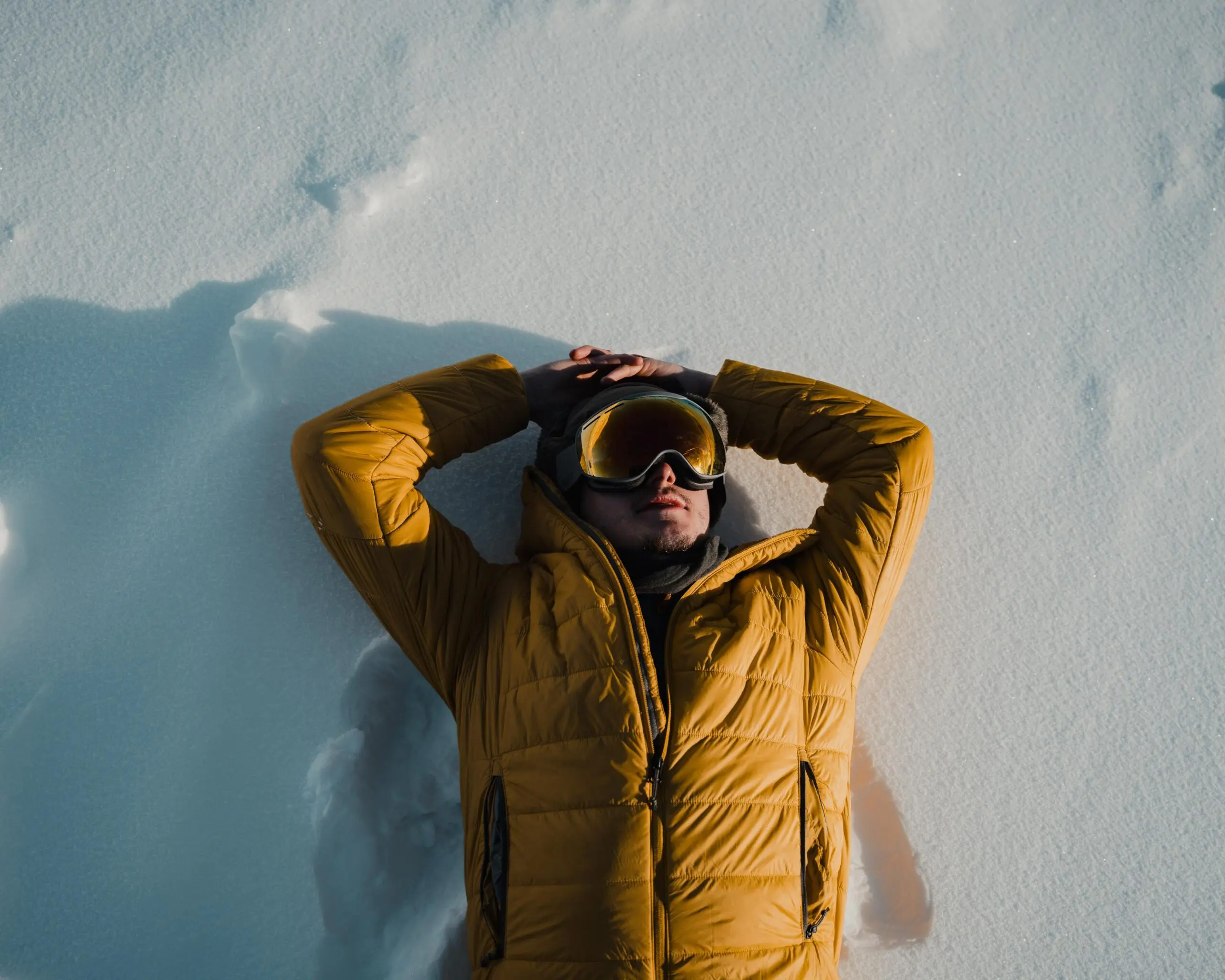
Dreaming of an Arctic adventure? Then the Kungsleden Trail in Swedish Lapland should definitely be on your bucket list. Stretching for around 200 kilometres above the Arctic Circle, this iconic trail gives you the chance to experience the far north at its most spectacular.
Think endless white landscapes, fresh snow crunching beneath your skis and, with a bit of luck, the Northern Lights dancing across the night sky.
But what about the weather in Sweden during winter? Temperatures in Swedish Lapland can drop well below freezing, so preparing for the cold is an essential part of your adventure.
The good news? With the right clothing, equipment and a few simple tricks, the Arctic cold is much easier to handle than you might think.
Our team’s favourite tips for cold weather in Sweden
Before we dive into the details, here are some of our team’s most important tips:
- Invest in a good base layer, insulating layer and waterproof and windproof outer layer.
- Drink regularly. You may feel less thirsty in cold weather, but dehydration is still a risk.
- Choose wool whenever possible. Wool keeps you warm even when it gets damp.
- Keep extra layers, food and drinks within easy reach.
- If you start sweating, adjust your layers. Staying dry is one of the most important ways to stay warm.
What makes the Kungsleden Trail so special?
Located in the heart of Swedish Lapland, Kungsleden takes you through one of Europe’s most pristine wilderness areas.
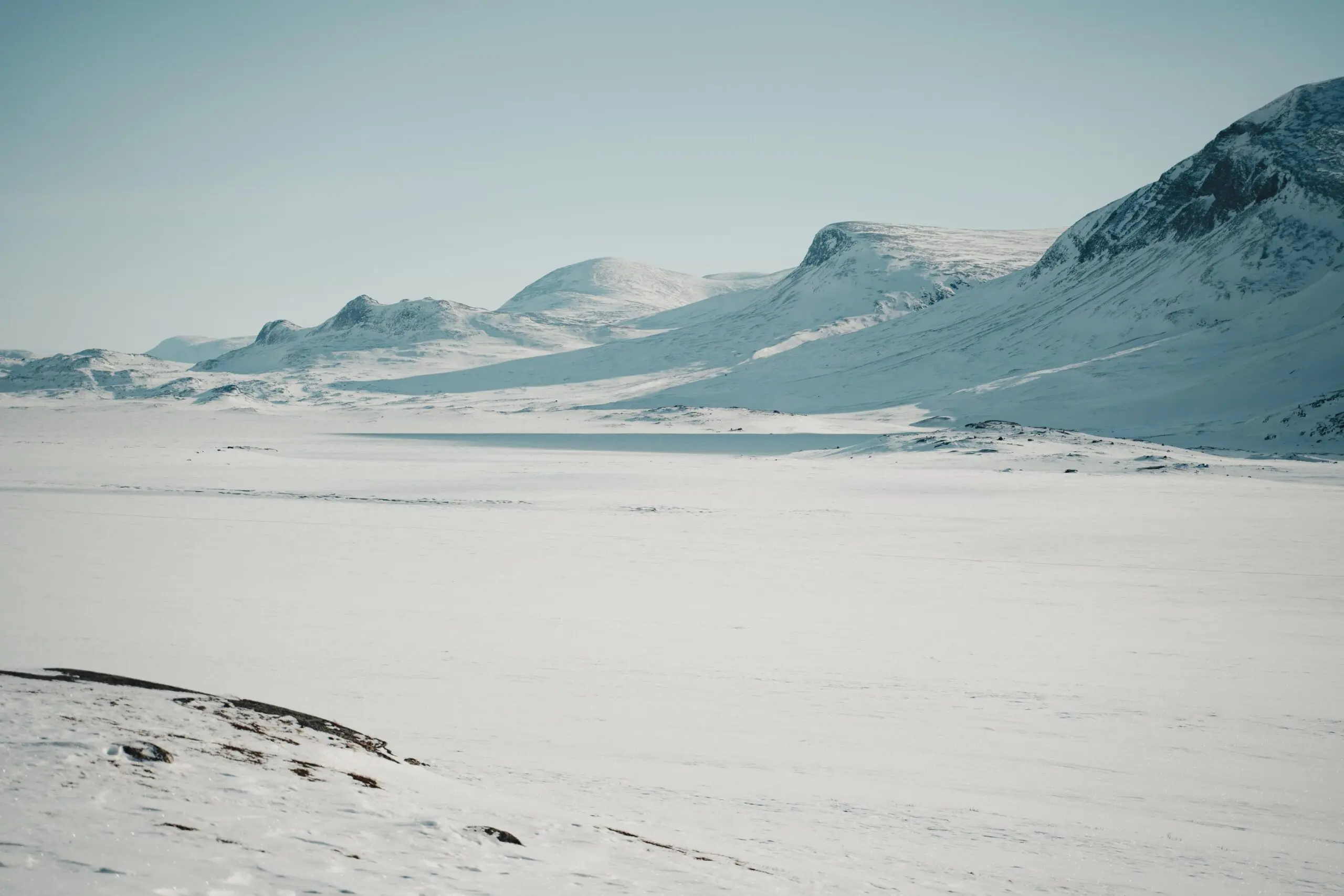
During winter, the landscape transforms completely. Mountains, valleys and frozen lakes disappear beneath a thick layer of snow, creating a vast Arctic wilderness.
The region is also home to the Sámi, the Indigenous people of northern Scandinavia, whose culture and traditions have been closely connected to this landscape for centuries.
During your expedition, you can experience an incredible sense of tranquillity, admire skies filled with stars and perhaps even watch the Northern Lights appear above your cabin.
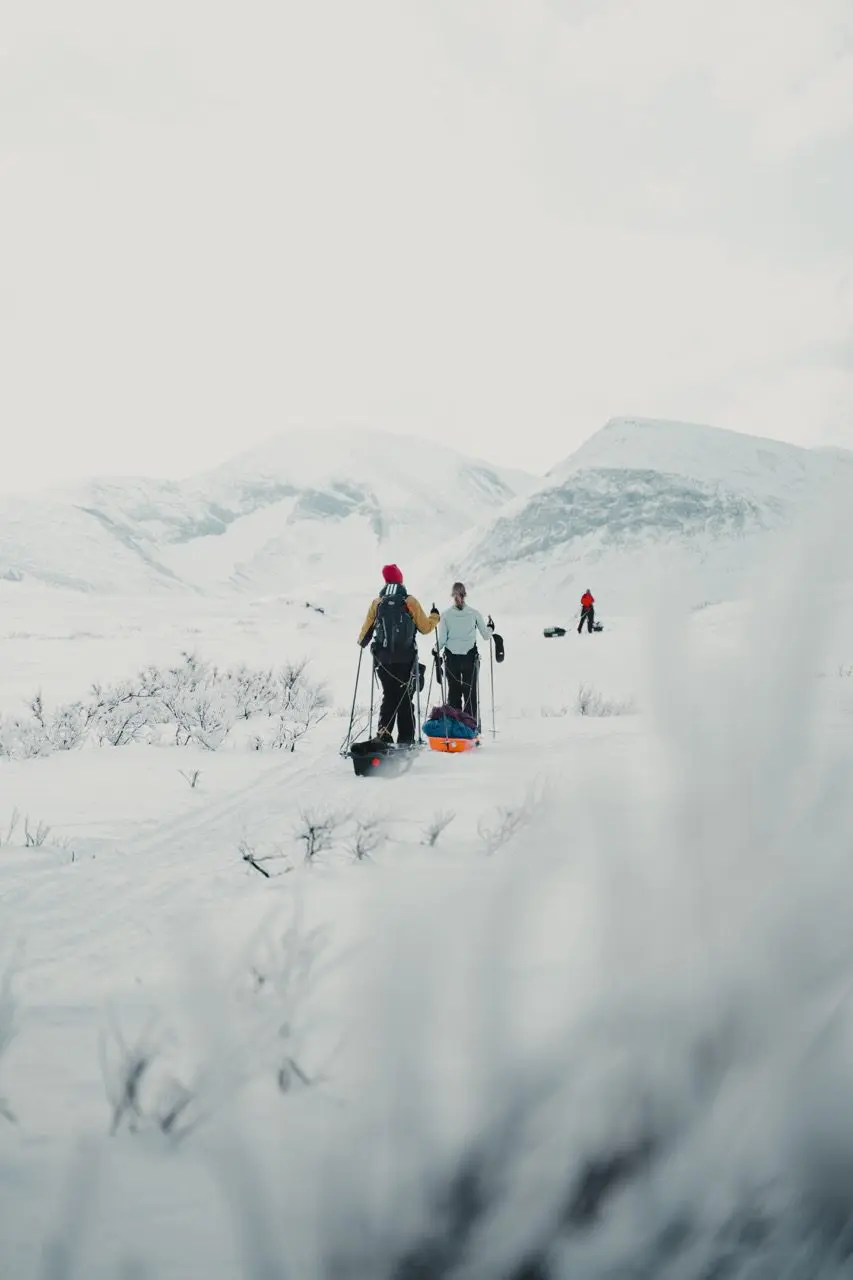
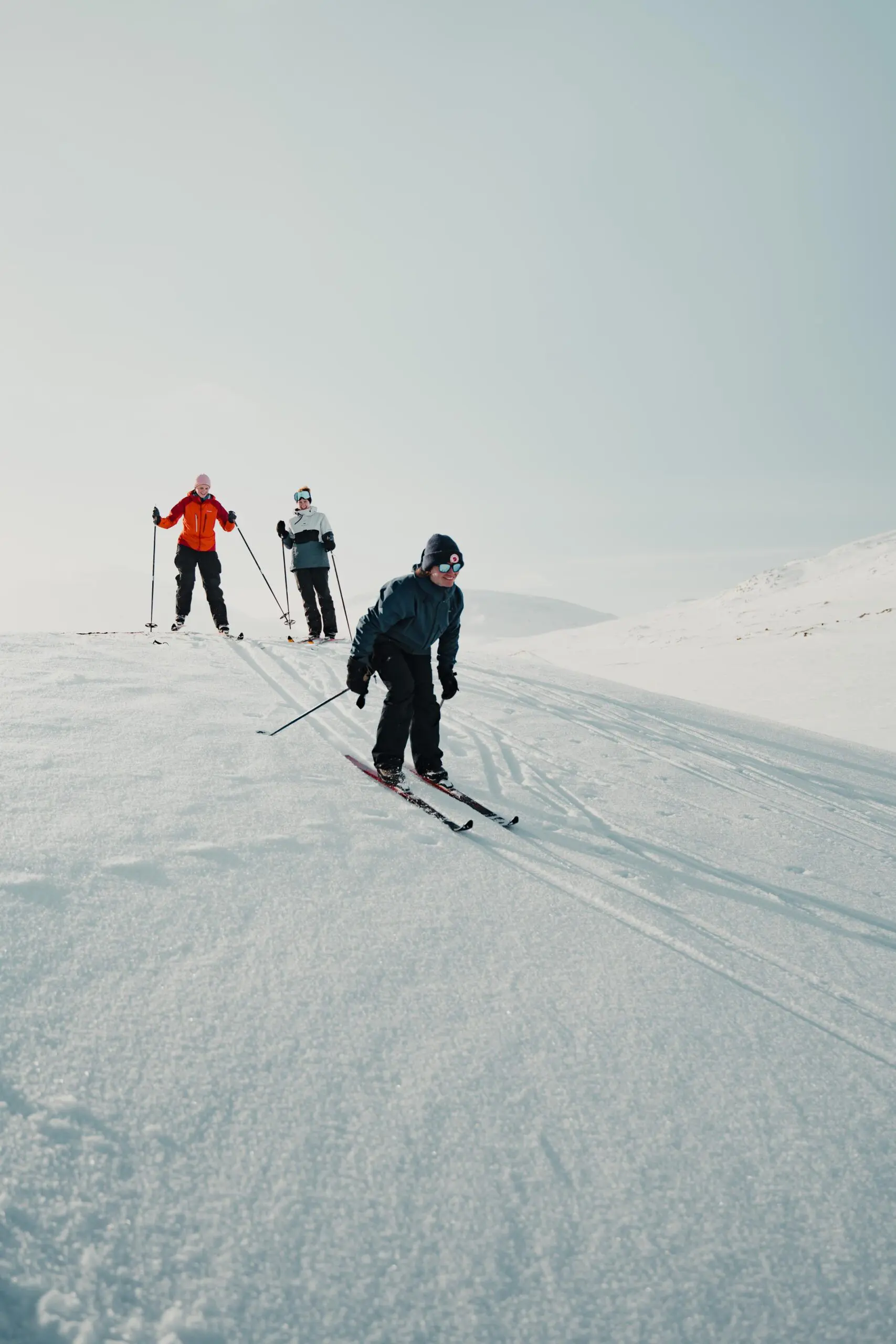
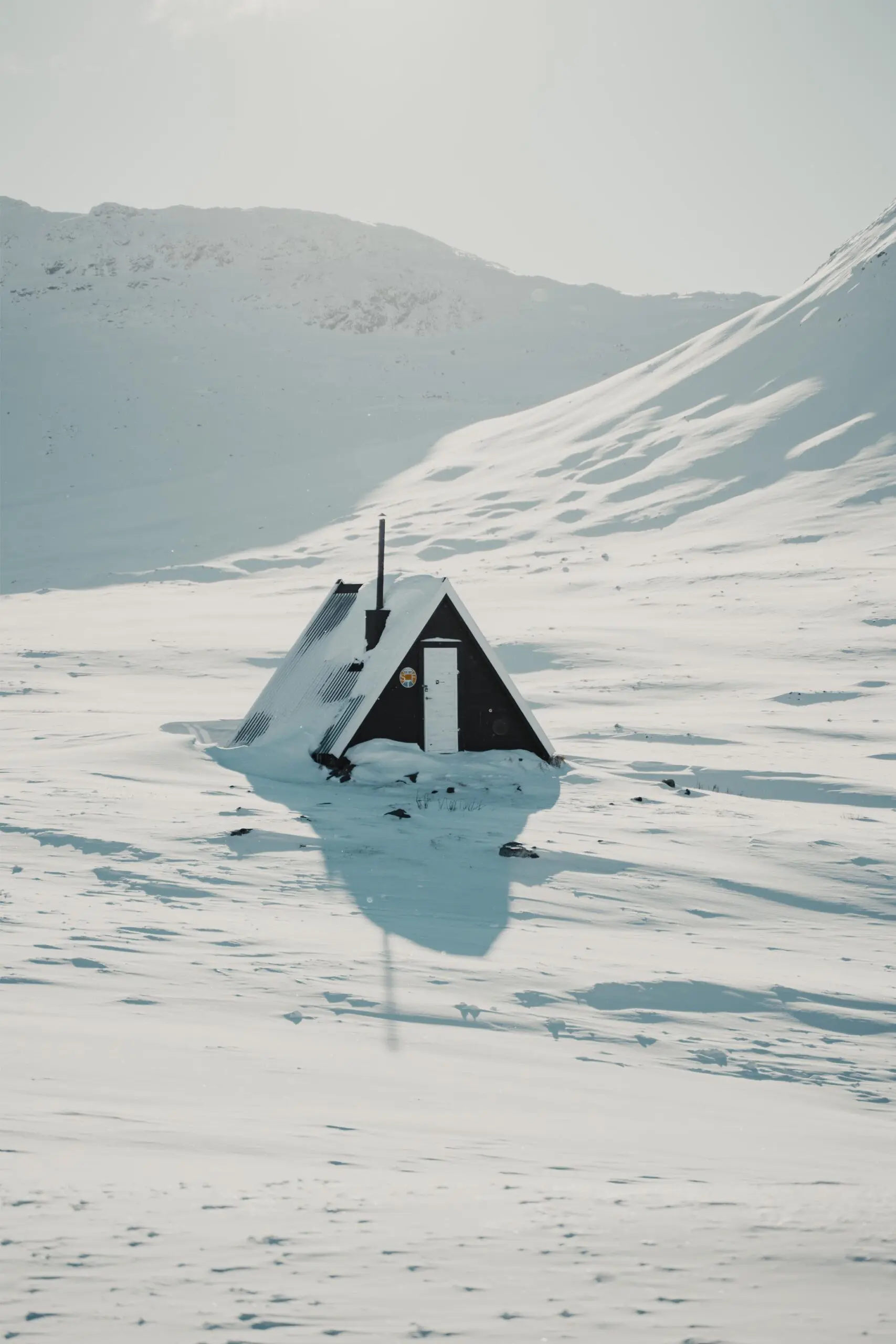
Kungsleden is more popular during summer, but winter turns the trail into a much more remote adventure. Many of the mountain huts along the route can only be reached on skis or snowshoes, meaning you’ll encounter far fewer people along the way.
That remoteness is exactly what makes a winter expedition here so special. Discover our full Kungsleden trip here.
Weather in Sweden: What can you expect in Swedish Lapland?
When people search for the weather in Sweden, it’s important to remember that conditions vary enormously depending on where you are in the country.
Southern Sweden and Swedish Lapland can feel like two completely different worlds during winter.
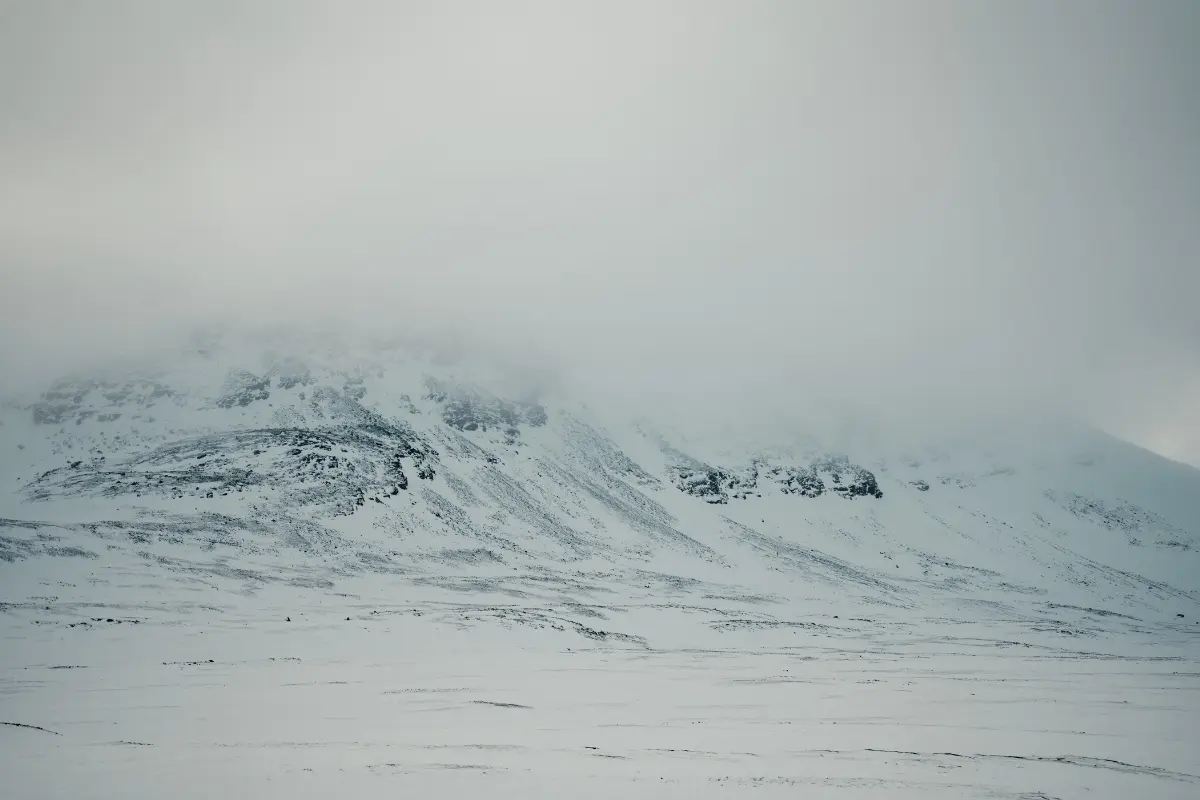
On The King’s Trail, you’re travelling far above the Arctic Circle. Winter conditions here can be severe, with temperatures occasionally dropping towards -30°C, particularly during January and February.
That sounds intimidating, but there is an important difference between this kind of Arctic cold and the damp winter weather you might experience elsewhere in Europe. The air in Swedish Lapland can be relatively dry, and with suitable clothing, very low temperatures can be surprisingly manageable.
January and February also have short days, although the snow reflects the available light and gives the landscape its characteristic Arctic atmosphere.
By March and April, conditions generally become milder. There is considerably more daylight, while winter temperatures can often sit somewhere around -5°C to -15°C.
Whatever month you travel, conditions can change quickly. Being prepared for wind, snowfall and sudden drops in temperature is therefore essential. Discover the Kungsleden trip here.
What to wear in Sweden during winter
The secret to staying warm isn’t simply wearing the thickest jacket you can find.
It’s all about layers.
1. Follow the three-layer system
A good layering system allows you to regulate your body temperature throughout the day.
- Base layer: Start with thermal underwear made from merino wool or a moisture-wicking synthetic material. Your base layer should move moisture away from your skin and help keep you dry. Avoid cotton. Once cotton becomes wet from sweat, it loses much of its insulating ability.
- Insulating layer: Your second layer is designed to retain body heat. A fleece, wool sweater or down jacket can work well depending on the conditions and your activity level.
- Outer layer: Finally, wear a waterproof and windproof jacket and trousers. This outer shell protects you from snow and, more importantly, cold Arctic winds.
The combination of these three layers allows you to add or remove clothing depending on the weather and how intensely you’re moving.
2. Accessorries that make a big difference
When dealing with winter weather in Sweden, the smaller pieces of equipment can be just as important as your jacket.
- Hands: A combination of thin liner gloves and thicker waterproof outer gloves or mittens works particularly well. The liner gloves give you some dexterity without exposing your bare hands to the cold.
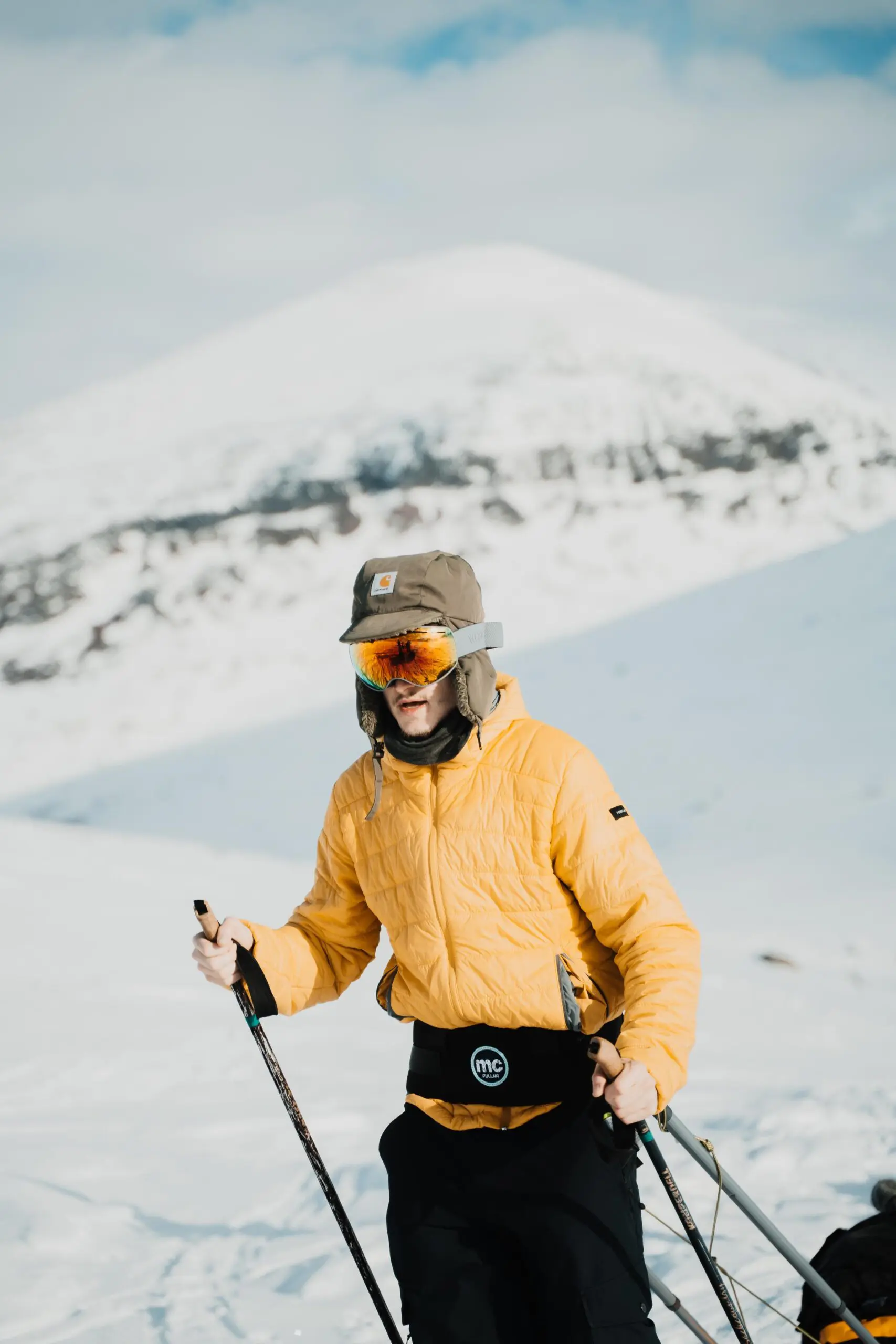
- Head and face: A warm hat is essential. Add a buff or neck warmer, and consider a face covering when temperatures drop or the wind picks up.
- Feet: Warm feet can make the difference between an incredible day outside and a miserable one. Wear thick wool socks together with insulated, waterproof footwear suitable for winter conditions.
Enjoying the wilderness: Stay warm and explore
Traditional saunas
One of the highlights of Swedish Lapland is the traditional sauna. After a long day of skiing, there’s nothing better than warming up in the sauna and then – for the brave – taking a quick dip in an ice-cold lake.
The Northern Lights
Seeing the Northern Lights is a magical experience. Make sure you wrap up warmly while waiting outside for this natural phenomenon. A down jacket and a thermos filled with a hot drink will make the wait much more comfortable.