

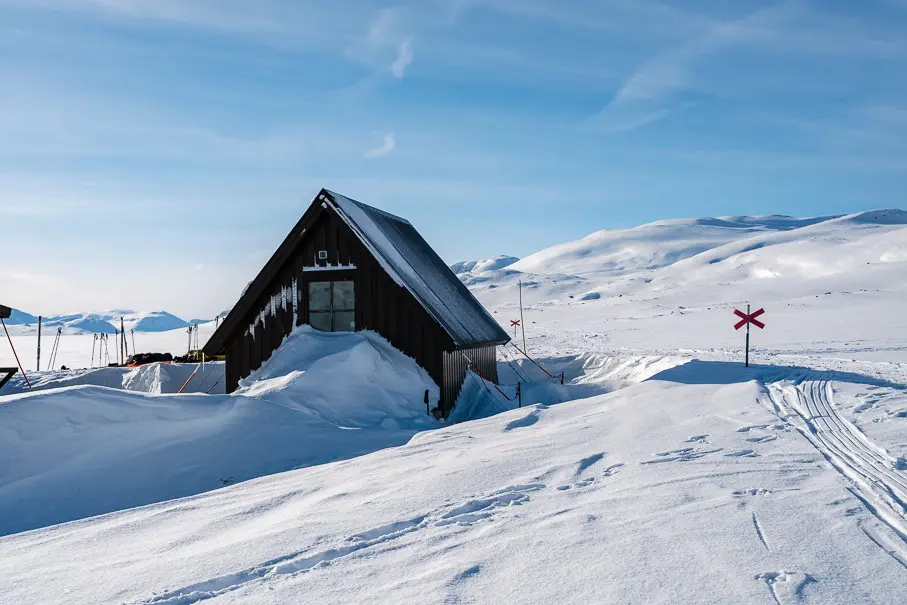
Not a fan of skiing, or fancy trying something different in the snow this winter? On The King’s Trail, you trek with a pulka sled through the winter wilderness of Swedish Lapland. You spend a week on the trail with fellow adventurers, staying in simple mountain huts each night. You won’t find a hotel room waiting for you, but you will find a wood-burning stove, a bunk bed and a place to share a meal. So what is hut life like? From collecting water through the ice to keeping your phone warm, here’s what to expect when staying along the Kungsleden.
Sleeping in a mountain hut in the heart of the wilderness
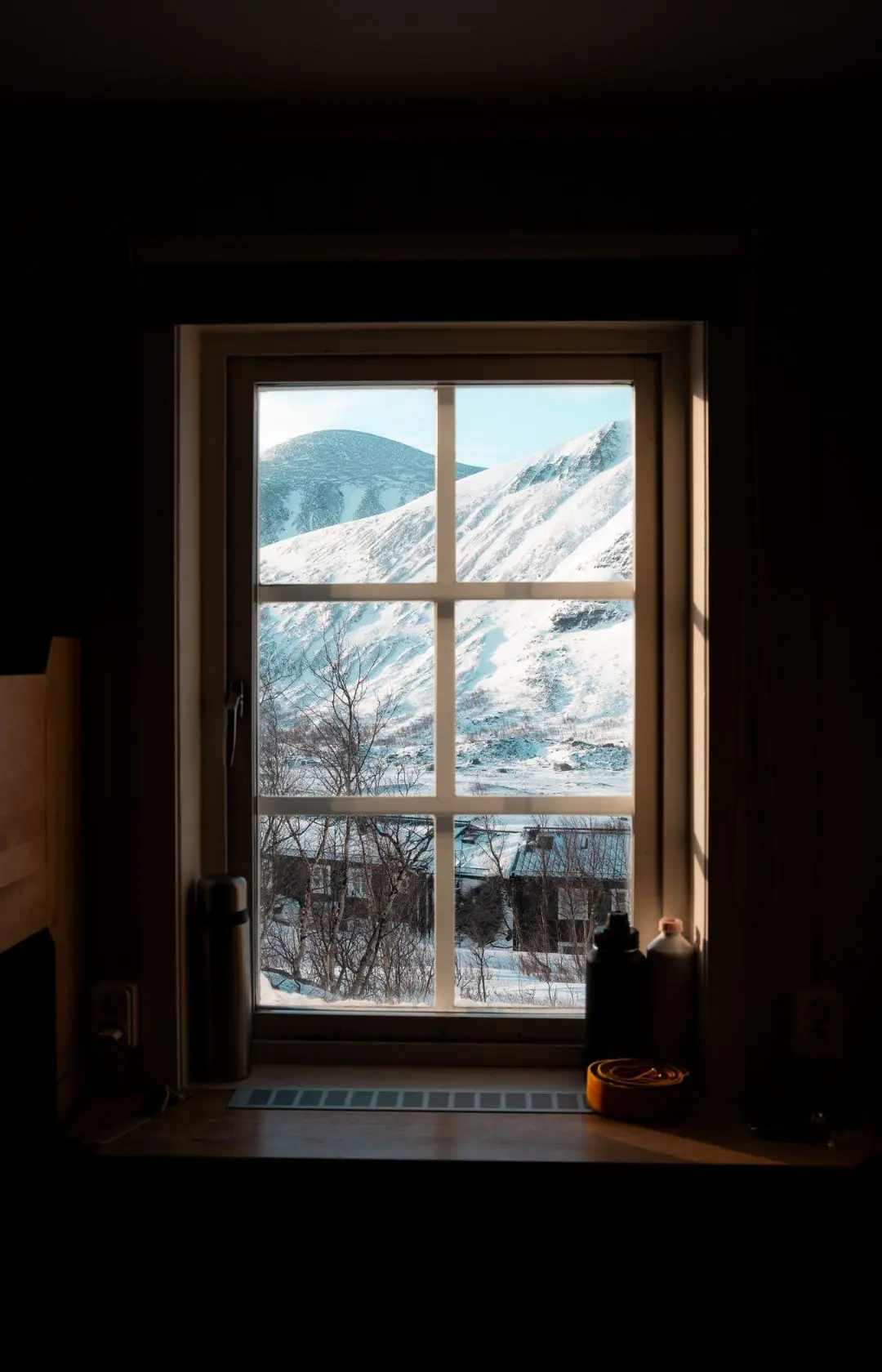
After a day trekking through the snow, the word cosy takes on a very real meaning. You’re indoors, the wood-burning stove keeps the hut warm and you have somewhere to rest your legs. At that moment, you don’t need much else. That’s exactly the charm of the mountain huts along the Kungsleden: simple, but with the facilities you need on the trail.
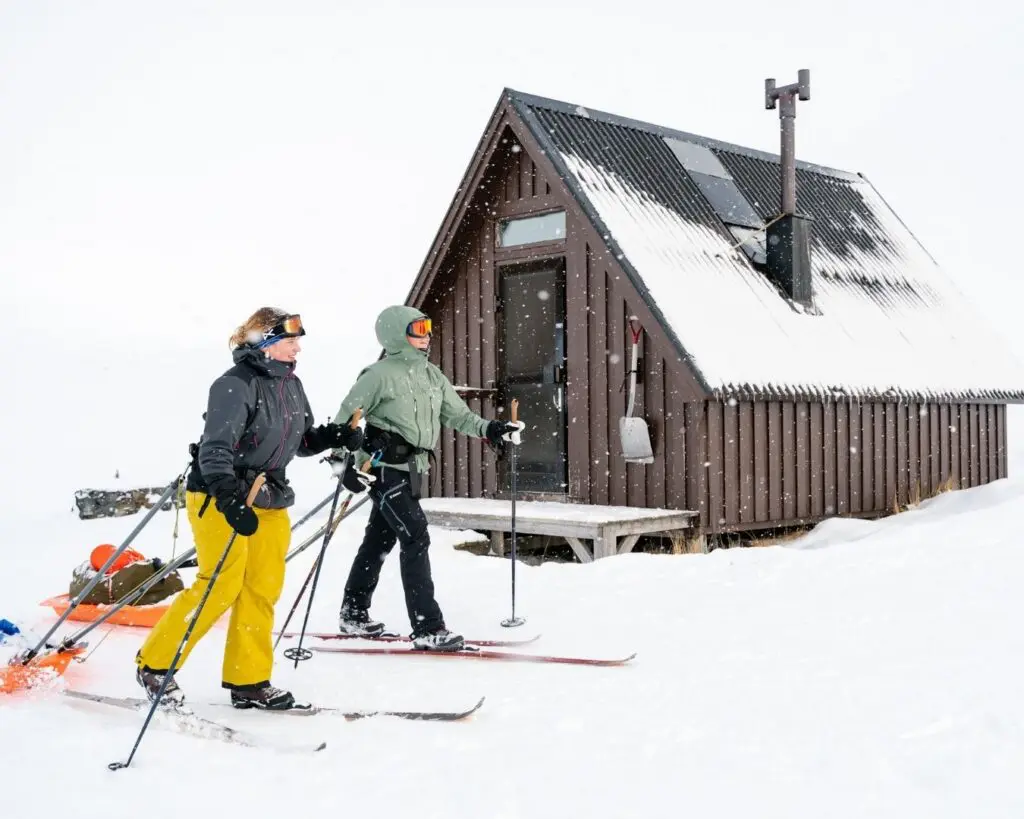
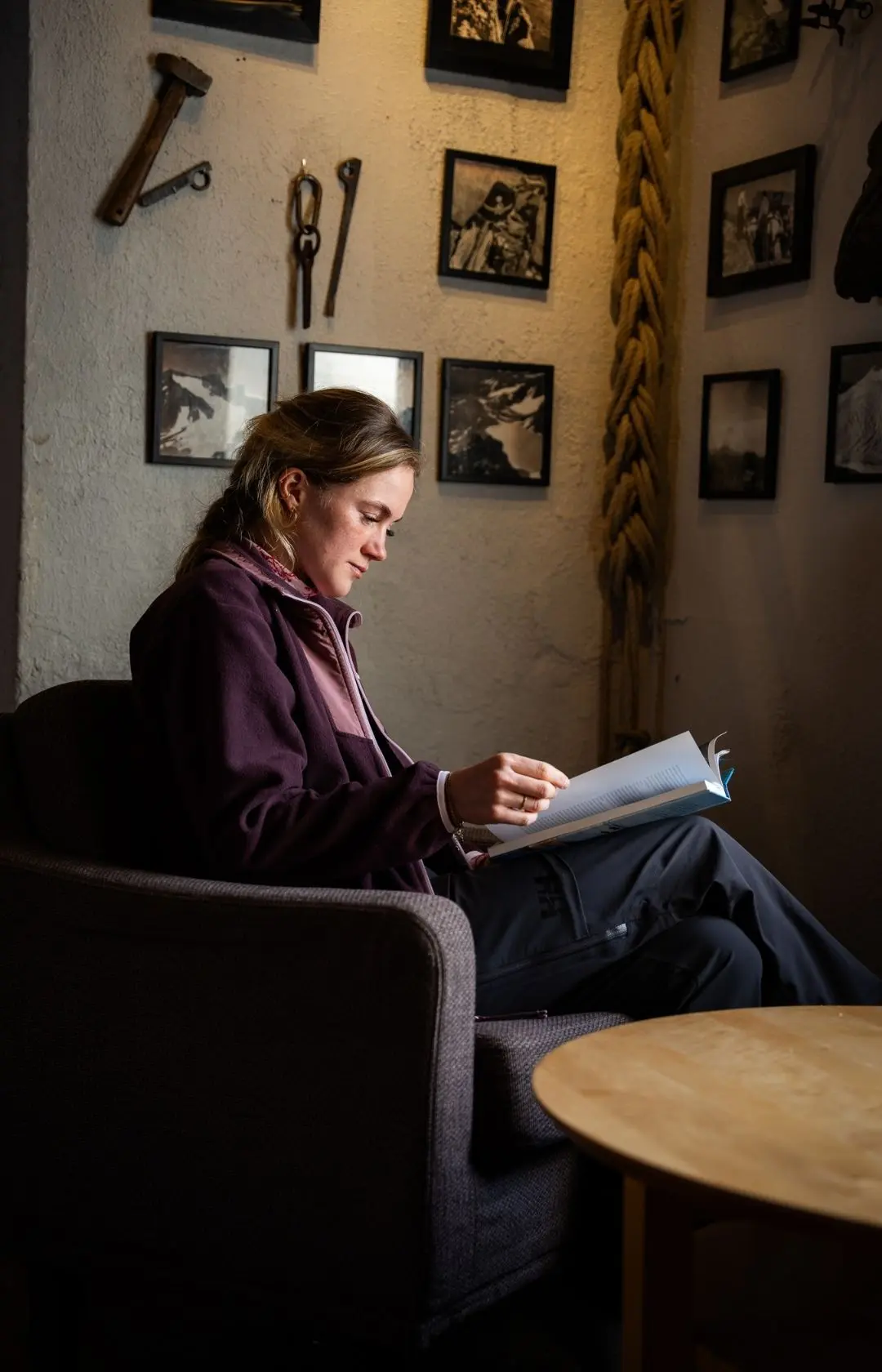
During the trek, you spend each night in a hut run by Svenska Turist Föreningen, or STF for short. This organisation maintains the huts. Inside, you’ll find sleeping areas with bunk beds, a shared kitchenette, tables and chairs. So you don’t just share the landscape with your fellow travellers, but also the space where you cook, eat and sleep.
Don’t picture a mountain hotel. Here, comfort comes from the little things: the warmth of the stove, sitting around the table together and knowing you have a bed after a day outdoors. It’s precisely because the huts are so simple that arriving each day feels like such a rewarding part of the adventure.
Water from a hole in the ice and an outdoor toilet
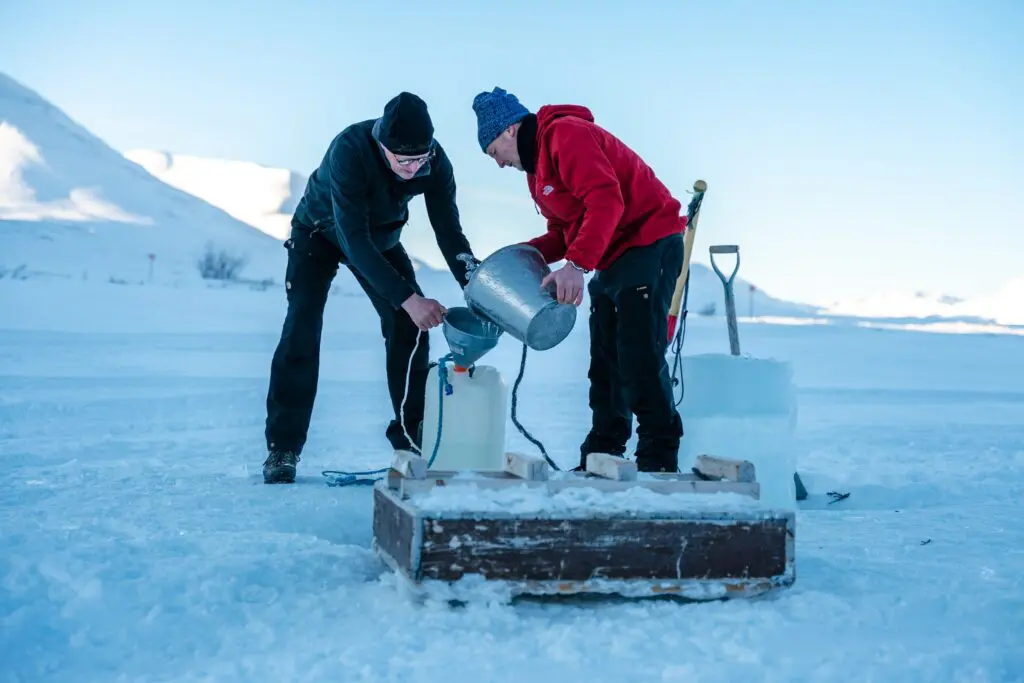
Just turn on the tap? Usually not. The huts generally have no running water. We collect water from a hole in the ice near the hut. It’s the sort of detail that might be hard to imagine at home, but soon becomes part of the daily routine on the trail. Here, water doesn’t come from a pipe, but straight from the wintry surroundings you’re travelling through.
The toilet facilities are simple too. You’ll find a dry toilet outside the hut. There’s no bathroom with a hot shower. You can shower at the start of your trip in Abisko or at the end in Nikkaluokta. In the days between, going without a shower is part of the experience.
That might sound like quite a step down in comfort. Still, it helps to set your expectations before you go. You’re not coming here for a well-equipped bathroom, but to spend a week trekking through Swedish Lapland. A warm hut, a meal and a bed are your essentials along the way. Everything else soon matters less than it does at home.
A sauna along the way? Almost every day
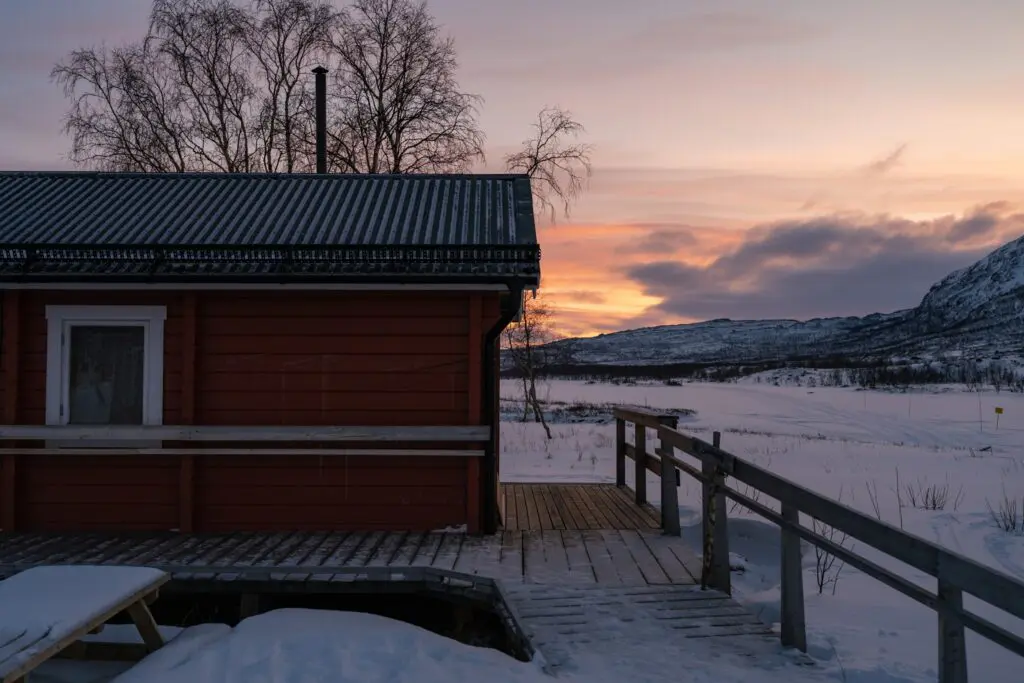
Luckily, no shower doesn’t mean you have to miss out on a warming treat altogether. With the exception of the hut at Tjäktja, you can warm up in a sauna every day. After hours in the snow, it’s a very different kind of luxury from a hotel bathroom, but definitely something to look forward to.
That contrast is what makes hut life special. Outside, you’re surrounded by a winter landscape; inside, you can warm up properly again. Your day doesn’t revolve around a packed evening schedule: arriving, eating, warming up and resting your legs is enough.
Do keep the exception at Tjäktja in mind. Not every hut has exactly the same facilities. Think of the sauna as a welcome extra on the days it’s available, alongside the essentials of a wood-burning stove and somewhere to sleep.
Eating in the hut: simple, light and energy-rich
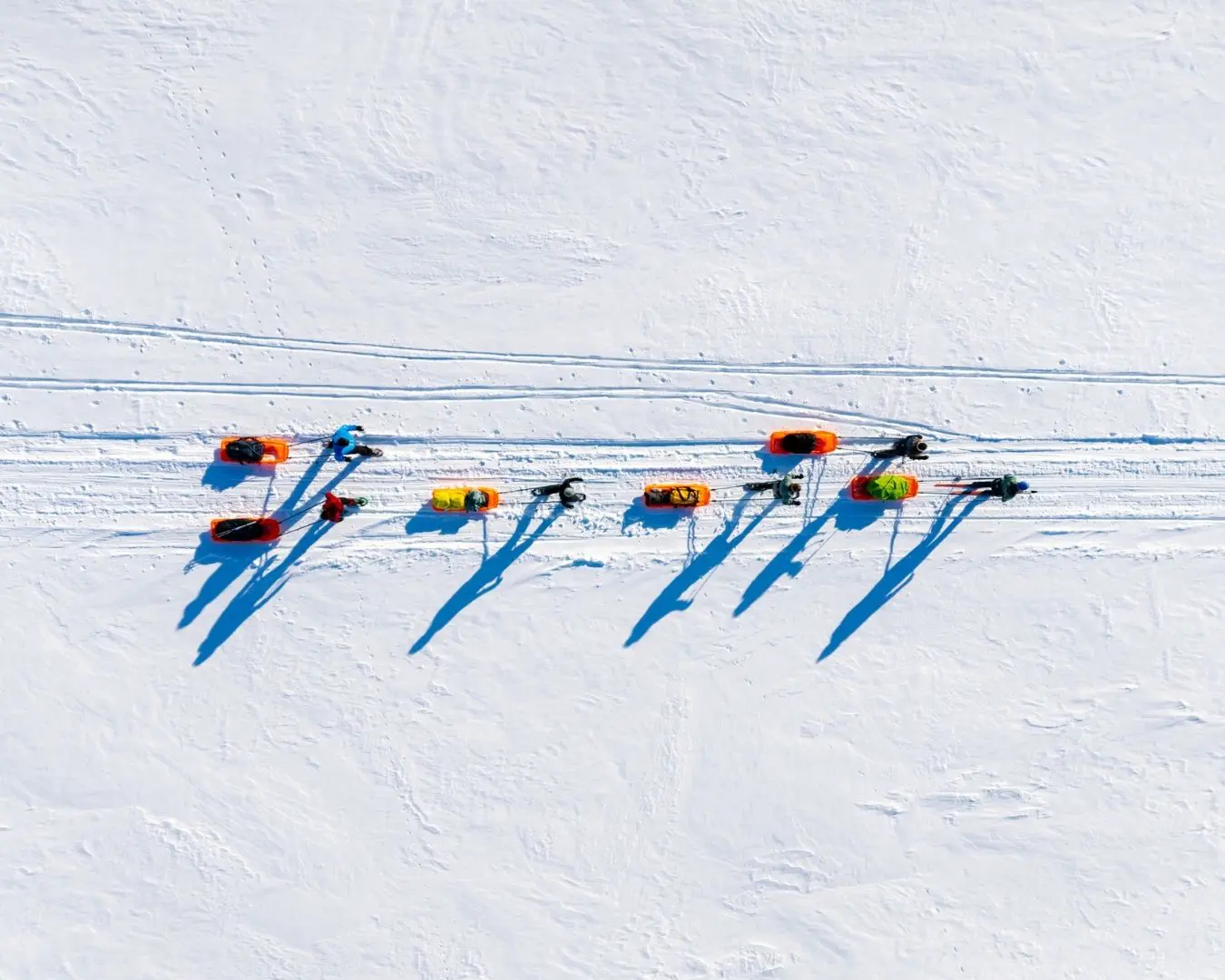
Choosing a restaurant for tonight isn’t on your to-do list. Apart from at the beginning and end of the week, you won’t come across any restaurants during the trek. Your food comes with you instead. The meal package is designed with that in mind: lightweight, energy-rich freeze-dried meals that are easy to carry in your pulka or backpack.
The package includes six breakfasts, six lunches and six evening meals from Real Turmat. That gives you a meal for each mealtime along the way. The hut’s shared kitchen and tables are the setting for your dinner, rather than a menu or restaurant dining room.
Vegetarian? Let us know when you book so your package can be adapted. Dedicated lactose-free or gluten-free packages aren’t available. Do you have a food allergy, intolerance or a specific diet other than vegetarian? We recommend bringing your own dried meals. That way, you stay in control of what you eat on the trail.
This is something to sort out before departure, not at the kitchen table in the first hut. In the middle of the wilderness, you can’t just pop to the supermarket for an alternative. Bringing a meal that suits your needs makes your evening much more relaxed.
What can you buy in the huts?
Some huts have a small shop. Don’t expect to do a full grocery shop, but you may find basics and snacks such as nuts and sweets. Handy if you fancy a treat along the way, but not something to base your entire food plan on.
Don’t rely on the hut shops for all your food and snacks. Your meal package remains your main food supply. Anything you find in a shop is an extra, not a replacement for the meals you bring.
You can pay by credit card in the huts. Bring some Swedish kronor as well, in case a card reader stops working. The recommendation is to carry around 50 SEK in cash. That gives you a small backup without relying entirely on a working card reader.
No power sockets or reception: how to prepare
Charging your phone while you eat or sleep isn’t an option here. The mountain huts on this trek have no electricity and no power sockets. Anything you want to use throughout the week will have to run on the power you bring with you.
Pack enough fully charged power banks or spare batteries for the whole week. Think beyond your phone to all the equipment you want to keep working. Of course, bringing a power bank only helps if it’s actually charged when you set off.
The cold is another thing to bear in mind: batteries drain faster at low temperatures. Keep your phone and power bank in an inside pocket during the day, close to your body heat. At night, put them in your sleeping bag with you. That gives them a warmer home than leaving them loose in your luggage.
There’s no mobile reception here either. The huts do have an emergency phone. That’s an important distinction: your usual connection is gone, but the huts have a way to call for help in an emergency. For you, it mainly means not counting on your usual messages, phone calls and online distractions.
Top tips from our team
Hut life is much more enjoyable when you sort out a few small things beforehand. Keep these tips in mind as you prepare:
- Give your electronics a regular warm home. Keep your phone and power bank in your inside pocket by day and your sleeping bag at night. Make it a habit and you’re less likely to leave them in your cold luggage.
- Charge everything before you leave. Check your spare batteries and power banks too. Once you’re on the trail, there are no sockets in the huts to make up for a missed charge.
- Sort out your food in good time. Let us know you’re vegetarian when you book. Have an allergy, intolerance or another specific diet? Choose suitable dried meals to bring yourself beforehand, rather than hoping to find an alternative in a hut shop.
- Treat shop-bought snacks as extras. Bring the things you want to be sure of having. That way, a bag of nuts or sweets along the way stays a welcome bonus.
- Pack some Swedish kronor alongside your credit card. With around 50 SEK as a backup, you’re less dependent on the card reader.
- Be ready for simple comforts. An outdoor dry toilet, water from a hole in the ice and no shower are all part of the experience. Focus on what you do have: a warm hut, shared meals and a sauna on almost every day. That’s plenty to look forward to after a day in the snow.